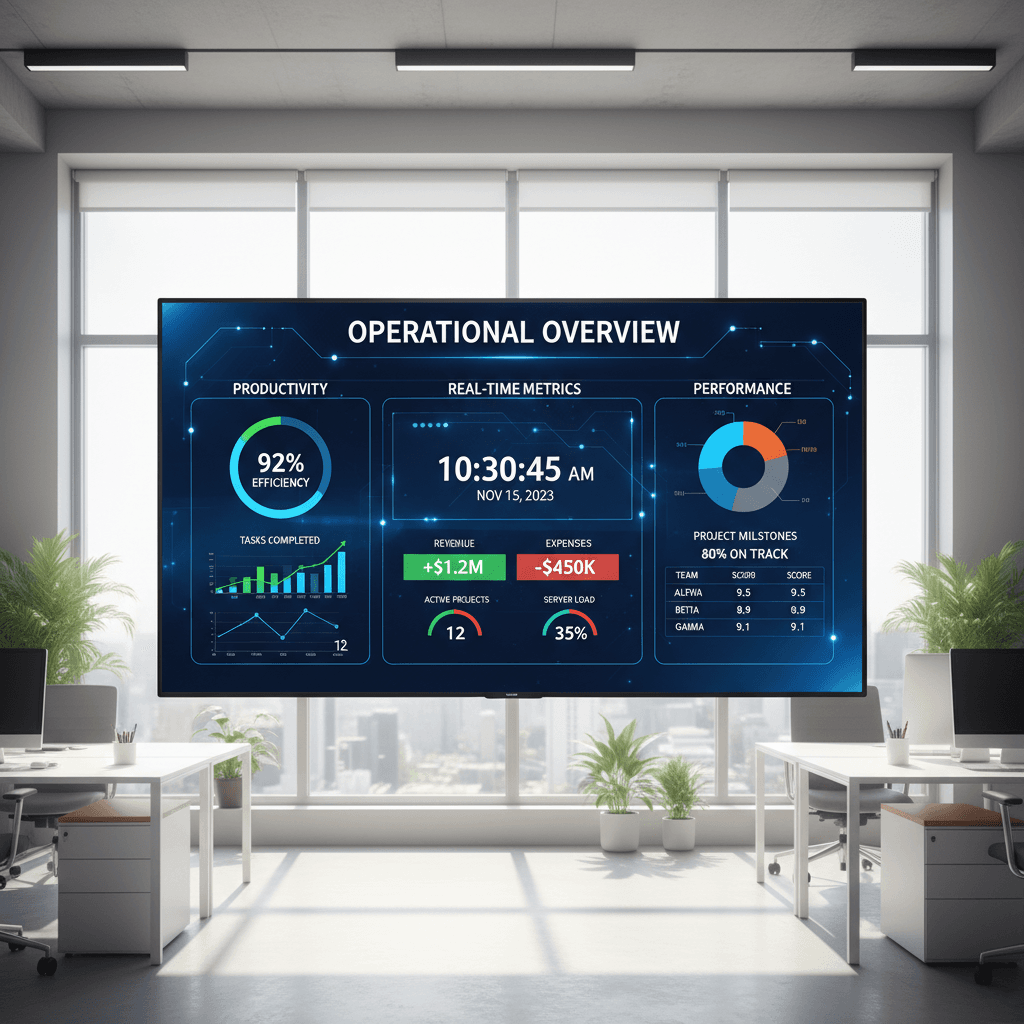
Effective agency time off capacity planning protects margins by integrating scheduled leave into resource forecasts to ensure realistic project delivery dates. This process allows managers to proactively redistribute tasks and avoid the costly understaffing that leads to missed deadlines; it ultimately maintains high utilization rates even during peak holiday seasons.
Every agency leader knows the sinking feeling of a critical milestone colliding with a developer’s two-week vacation. When your capacity planning fails to account for the reality of human rest, deadlines slip and margins evaporate under the weight of expensive, last-minute rushes. This operational gap is more than a scheduling conflict; it is a direct threat to your firm’s profitability and client trust. In this guide, we will move beyond basic gross hour estimates to establish a robust framework for net capacity. You will learn how to anticipate seasonal surges, manage Toronto statutory holidays with precision, and leverage lean offshore talent to bridge gaps. We are moving your operations from reactive spreadsheets to real-time reporting that protects your delivery schedule and your bottom line.
The Silent Drain: How Unplanned Agency Time Off Erodes Profit Margins
For many Toronto-based agencies, the greatest threat to profitability is not a lost client; it is the gradual, invisible erosion of billable capacity. This typically manifests as a death by a thousand papercuts. A lead designer requests a Friday off, a project manager takes a Monday, and a developer needs a mid-week personal day. Individually, these approvals seem harmless. Collectively, they often trigger an aggregate capacity drop of 20% to 30% in a single month.
This issue extends beyond standard HR administration; it is a fundamental financial and operational risk. In a market where talent costs are exceptionally high, every lost billable hour directly reduces your net margin. When agency resource planning and pricing fails to account for these gaps, the remaining team members are forced to absorb the excess workload. Research indicates that 95% of agency workers report working overtime, with nearly 40% experiencing burnout. This burnout is not merely a cultural issue; it is a structural failure to treat time off as a dynamic variable in a capacity model.
Without clear visibility, managers are forced into reactive scheduling. They approve leave in a vacuum, unaware that customer demand is peaking or that a critical project milestone is approaching. For small to mid-sized firms in Ontario, this lack of foresight transforms a well-deserved break into a delivery bottleneck. This leads to missed deadlines and expensive, last-minute course corrections that could have been avoided with better data. Leveraging automation and operations services allows leadership to see these trends before they impact the bottom line, ensuring that leave is managed as a resource rather than a surprise expense.
Calculating Net Capacity: Moving Beyond Gross Hour Estimates

To stop the erosion of margins, leadership must move past the fallacy of gross capacity. Gross capacity is a theoretical number, the total hours you pay for, typically 40 hours per week per employee. However, Net Capacity is the only metric that matters for agency resource planning and pricing. Net Capacity represents the true volume of work your agency can deliver after subtracting public holidays, pre-approved PTO, and non-billable internal requirements.
Effective agency time off capacity planning requires looking at three distinct layers:
Resource-level planning: Understanding the granular daily availability of individual specialists to ensure tasks are assigned to people who are actually present.
Project-level planning: Assessing if a specific engagement timeline aligns with the cumulative net hours available across the project team.
Team-level planning: Determining the total output capability of an entire department, such as your creative or engineering team, during peak vacation months.
To find your true delivery ceiling, use this formula:
Step | Calculation Component |
|---|---|
1 | Total Possible Work Hours (e.g., 160 per month) |
2 | Subtract Pre-approved PTO and Public Holidays |
3 | Subtract Standard Admin, Training, and Internal Meetings |
4 | Result: Net Capacity |
Once you have this figure, you must apply a realistic utilization target, usually around 80 percent, to account for the unexpected. Planning for 100 percent utilization is a recipe for burnout and delayed deliverables.
At Kado Solutions, we help firms move away from manual calculations through our automation and operations services, building systems that visualize these metrics in real time. By integrating HR data directly into project dashboards, we provide leadership with a clear view of their true ceiling. This prevents the common trap of over-promising to clients based on a gross hour estimate that does not account for the reality of the Canadian holiday calendar or personal leave. You can learn more about our lean offshore model and how it supports these capacity requirements.
Predicting the Surge: Managing Toronto Statutory Holidays and Seasonal Leave
Toronto agencies operate within a unique calendar cadence that can paralyze delivery if not mapped correctly. The Ontario holiday schedule presents specific hurdles, particularly the Civic Holiday in August and the intense December holiday cluster. These periods do not just mean closed offices; they represent massive spikes in PTO requests as staff look to maximize long weekends. Relying on a reactive manager approval model, where requests are granted based on individual performance rather than collective output, is a strategic error that often leads to delivery bottlenecks.
To solve this, firms should implement leave heat maps. These visual tools aggregate upcoming time off against historical project volume, identifying specific weeks where delivery is at high risk. A heat map might reveal that while individual team leads feel comfortable approving a single request, the cumulative effect of three concurrent absences in mid-August creates a 40 percent capacity deficit. This visibility allows leadership to shift toward a proactive capacity-first approval model. Under this framework, leave approvals are contingent on the net capacity required to hit active milestones rather than just the manager's immediate sentiment.
By integrating these insights into your agency resource planning and pricing strategy, you transform leave from a surprise disruption into a manageable variable. Kado Solutions helps organizations move beyond static spreadsheets by implementing automation and operations services that flag these surges months in advance. This foresight ensures that client commitments remain realistic even during the most demanding seasons. You can learn more about our lean offshore model and how it provides the necessary coverage to maintain momentum when local teams are offline.
How to Handle Employee Time Off Requests Without Impacting Delivery
Managing time off requests is not a matter of kindness; it is a matter of resource logistics. To prevent delivery failure, agencies must move from a permission based system to a protocol based system. This shift ensures that agency resource planning and pricing remains accurate even when key contributors are away.
Effective leave management follows a structured four step protocol:
Establish Blackout Dates: Identify high stakes delivery windows, such as a major product launch or a client’s fiscal year end, where all hands are required. Communicate these dates six months in advance to align expectations early.
Scaled Notice Requirements: Set notice periods that correlate to the length of leave. A single day might require one week of notice, while a two week vacation should require at least two months to allow for project rebalancing.
The Cross-Training Mandate: Leave should only be finalized once a designated backup has been briefed. This requirement includes providing access to all relevant files, client communication history, and active task lists before the leave begins.
Implement a Buffer Ratio: Never plan your team’s delivery at 100 percent capacity. Maintaining a 20 percent buffer, or an 80 percent utilization ceiling, creates the necessary slack to absorb unplanned personal days or minor project delays without triggering a delivery crisis.
This structured approach prevents the common scenario where a single absence halts a project. By integrating these rules into your automation and operations services, you can ensure that the system automatically flags requests that violate these protocols. This removes the emotional burden from managers and grounds leave decisions in delivery data rather than individual sentiment.
Leveraging Lean Offshore Talent to Bridge Seasonal Capacity Gaps

Implementing a buffer ratio is a strong defensive move, but maintaining delivery velocity during extended leave requires a more proactive strategy. For many firms, this involves integrating lean offshore talent to act as a pressure release valve. This approach is not intended to replace high-value local staff in Toronto. Instead, it ensures that while your core team is away, the foundational gears of the business keep turning. It transforms your agency into an always-on operation that remains resilient even when local capacity is reduced.
Lean offshore teams are most effective when tasked with the repetitive, high-volume workflows that typically accumulate into a post-vacation backlog. Research highlighting that 95 percent of agency workers report working overtime suggests that these backlogs are a primary driver of burnout. By offloading tasks like client reporting, data entry, and daily internal process maintenance to a dedicated offshore partner, your local team returns to a clean slate rather than a mountain of administrative debt. This maintains the integrity of your agency resource planning and pricing by ensuring that net capacity never drops below the threshold required to sustain project momentum.
At Kado Solutions, we specialize in helping agencies build these dedicated support structures. We focus on creating a seamless extension of your existing team through automation and operations services that synchronize work across time zones. This model provides the necessary stability to honor leave requests without the fear of project stall. You can learn more about our lean offshore model to see how it bridges the gap between local talent costs and the need for consistent, year-round delivery.
Automating the Visibility: From Spreadsheets to Real Time Reporting

Manual tracking is the primary reason agency time off capacity planning fails. Static spreadsheets are inherently reactive; they rely on human input that rarely keeps pace with the fluid nature of client work. By the time a project manager updates a shared Excel sheet with new PTO dates, the project timeline has often already shifted, rendering the data obsolete. This disconnect creates a blind spot where leadership assumes capacity exists when it has actually evaporated.
Moving toward automated visibility involves creating data flows between your HR software and project management platforms. By syncing these systems, you establish an Early Warning System. If a lead developer’s vacation coincides with a critical sprint deadline, the system flags the conflict automatically. This prevents the sudden capacity crises that lead to burnout and missed milestones.
Kado Solutions specializes in building these automated dashboards through our automation and operations services. We help Toronto firms replace manual logs with real time reporting that alerts leadership the moment upcoming leave puts a specific deliverable at risk. This level of foresight allows for more accurate agency resource planning and pricing and ensures you are never caught off guard. You can learn more about our lean offshore model to see how these automated insights trigger capacity support when your local team needs it most.
Managing time off effectively requires more than just a shared calendar. It demands a proactive approach to capacity planning that safeguards your margins and keeps projects on track. By prioritizing visibility and strategic resource allocation, your agency can maintain its momentum during any season. If you feel that your current systems could use more refinement, you might want to learn more about our approach at Kado Solutions. We specialize in building the operational frameworks that allow agencies to grow efficiently, ensuring your team remains productive without the constant stress of overcapacity.