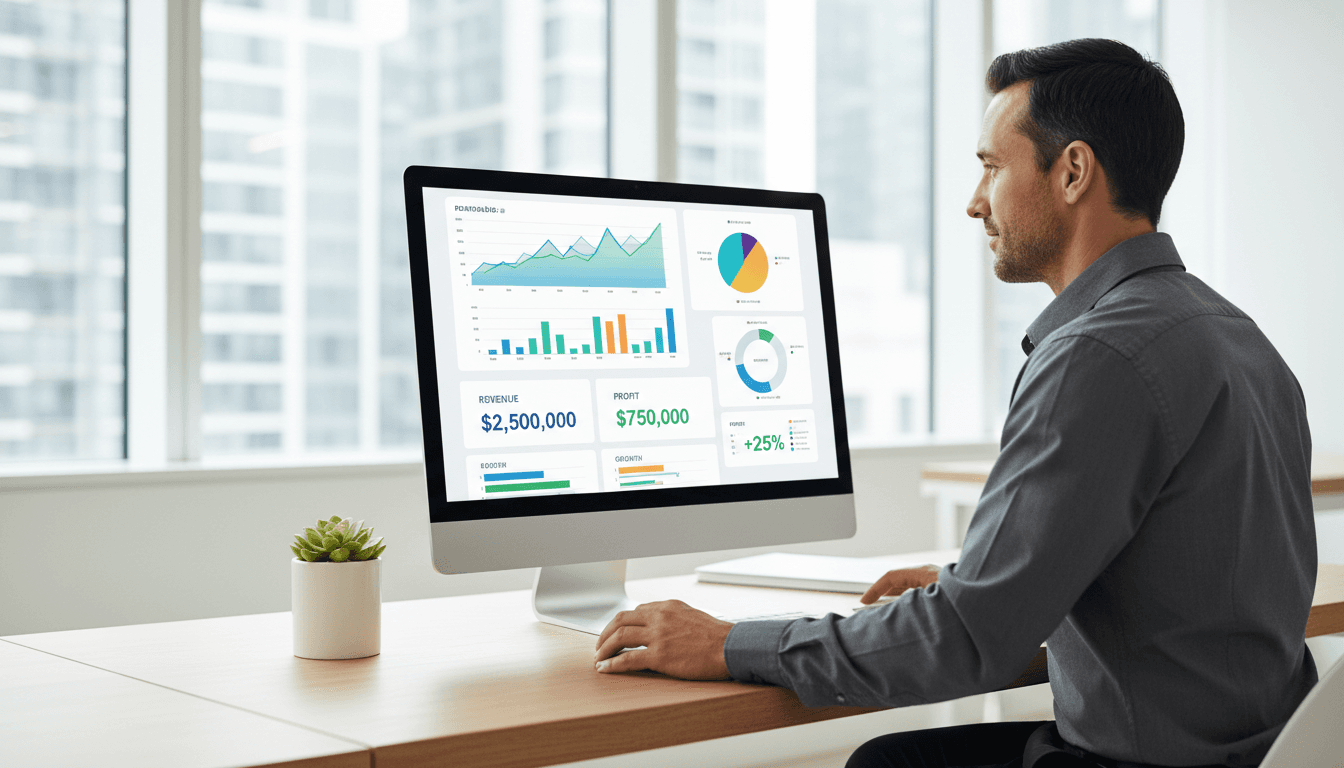
Effective small business tax planning preserves cash flow by strategically timing asset purchases and utilizing available deductions or credits to minimize immediate liabilities. By treating tax obligations as a manageable component of working capital, owners can prevent overpayment and ensure more liquid funds remain available for growth and operational expenses.
For many business owners, tax season is viewed as a periodic hurdle rather than a strategic opportunity. This reactive approach often results in significant cash flow volatility; it transforms a predictable obligation into a liquidity crisis that hampers your ability to scale. When you fail to integrate tax planning into your broader working capital strategy, you are effectively leaving capital on the table that could otherwise fuel your next phase of growth. This guide details how to transition from retroactive reporting to a proactive framework that treats tax efficiency as a core operational advantage. You will learn to optimize the timing of asset purchases, navigate the specific complexities of the Ontario small business tax rate, and leverage real time visibility to replace manual processes. We also identify high impact write offs that ensure you retain the maximum amount of capital for your operations.
Why Small Business Tax Planning is Actually Cash Flow Management
Effective small business tax planning is less about satisfying a regulatory requirement and more about managing your company’s working capital. Most Toronto entrepreneurs view the CRA as a distant obligation, yet every dollar sent as an early installment or tied up in missed deductions is capital removed from your operational engine. Overpaying is rarely just an arithmetic error on a return; it is the opportunity cost of having your cash sit in a government account at zero interest instead of a high-yield account or being reinvested into growth initiatives.
At Kado Solutions, we advocate for a shift in perspective. Instead of reacting to year-end deadlines, firms should streamline operations with AI automation to gain real-time visibility into their tax liabilities. This allows for precise timing of expenses and asset acquisitions. By automating repetitive workflows, you can identify exactly when to pull a deduction lever to preserve cash flow. When you treat tax strategy as a data-driven timing decision, you ensure that every dollar remains within your control for as long as possible. If you want to stop guessing your quarterly obligations, book a demo to see how data can transform your business.
The Cost of Poor Timing: How Inefficient Processes Drain Capital

Manual reporting cycles are the primary driver of tax surprises that destabilize a company’s liquidity. When a firm relies on legacy systems or monthly reconciliations that lag weeks behind real-time activity, the executive team is essentially flying blind. This lack of visibility often leads to the defensive strategy of the 30% rule, where business owners set aside nearly a third of their gross income in a low-yield tax reserve account. While this conservative approach prevents a year-end crisis, it creates a massive efficiency gap. For a Toronto based firm, every dollar sitting idle in a reserve account is a dollar that could have been earning interest in a high-yield corporate account or funding an immediate expansion of their offshore team.
When you streamline operations with AI automation, you replace broad estimates with precision. By automating repetitive workflows associated with expense tracking and revenue recognition, you can refine your tax set-aside percentage based on actual data rather than historical averages. If your automated dashboard shows that strategic deductions have lowered your effective liability to 22%, you immediately unlock 8% of your gross revenue for active use. In a high-interest environment, the ability to keep that capital within the business for an extra three to six months is a measurable competitive advantage.
Inefficient small business tax planning often stems from this data delay. If you cannot see your tax liability until your accountant finishes your quarterly review, you have already lost the window to make strategic adjustments. Real-time visibility ensures that your cash remains an active asset rather than an overpayment held by the CRA at zero interest. To see how transitioning from manual spreadsheets to automated reporting can recover your working capital, book a demo to see how data can transform your business.
Strategic Timing for Asset Purchases and Capital Cost Allowance

Strategic timing of asset purchases transforms your depreciation schedule from a passive accounting entry into a proactive financing tool. In Canada, the Capital Cost Allowance (CCA) system allows businesses to deduct the cost of depreciable assets over time. However, the timing of these acquisitions dictates how quickly you can recover your capital. Recent Canadian tax updates have introduced a first year CCA rate of 100% for specific property classes acquired after April 16, 2024, including certain manufacturing and processing machinery and clean energy equipment. By acquiring these assets before your fiscal year end, you can deduct the entire cost in year one, drastically reducing your taxable income and preserving cash that would otherwise be allocated to the CRA.
To maximize this lever, businesses should align equipment upgrades with high revenue periods. Consider a manufacturing firm in the Greater Toronto Area (GTA) that needs to modernize its assembly line or upgrade its warehouse automation systems. If the firm waits until the start of the new fiscal year to finalize a $200,000 equipment purchase, they defer the tax benefit by a full twelve months. By accelerating that purchase into the current year, they could potentially realize a six figure deduction immediately. This effectively uses the tax savings to finance a portion of the investment, reducing the total cost of capital.
Integrating this into your operational workflow requires more than just an end of year shopping spree. When you streamline operations with AI automation, you can forecast your tax liability months in advance, allowing you to trigger these capital investments exactly when they will have the greatest impact on your liquidity. By automating repetitive workflows related to procurement and asset tracking, you ensure that every acquisition is documented correctly for the appropriate CCA class. This data driven approach allows you to treat every equipment upgrade as a strategic reinvestment of what would have been tax expense. If you are ready to use your balance sheet more aggressively, book a demo to see how data can transform your business.
Navigating the Small Business Tax Rate in Ontario
Optimizing the timing of your capital investments naturally leads to a larger conversation about your effective tax bracket. For a Toronto based corporation, the combined federal and provincial small business tax rate is 12.2%, comprised of the 9% federal rate and the 3.2% Ontario rate. This preferential rate applies to the first $500,000 of active business income, known as the Small Business Deduction (SBD) limit. Once your income exceeds this threshold, the combined rate jumps to 26.5%. Keeping your taxable income within that 12.2% bracket is not just about paying less; it is about protecting your ability to reinvest in your own operations.
However, GTA entrepreneurs must navigate the specific rules regarding passive investment income. The SBD limit is reduced by $5 for every $1 of adjusted aggregate investment income (AAII) that exceeds $50,000. If your company’s passive income, such as interest or rental income, reaches $150,000, your access to the small business tax rate is eliminated entirely. This creates a significant incentive to reinvest profits back into the active business rather than letting surplus cash sit in passive accounts. By choosing to streamline operations with AI automation or expanding your reach by automating repetitive workflows, you can deploy capital into growth initiatives that keep you within the lower tax bracket.
Monitoring these thresholds requires precise, real-time data. When you can track your year to date active and passive income against these limits, you can make informed decisions about end of year bonuses or strategic expenditures. If you are approaching the $50,000 investment income threshold, it may be time to pivot your capital allocation strategy toward operational scale. To understand how to align your growth with these tax thresholds, book a demo to see how data can transform your business.
Automating Tax Readiness: From Manual Spreadsheets to Real Time Visibility

Monitoring the thresholds and brackets mentioned above requires a departure from the reactive, manual methods that define most small business tax planning cycles. The typical approach involves fragmented spreadsheets or a disorganized collection of receipts; a process that creates a dangerous lag between business activity and financial insight. This lack of structure often results in misclassified expenses where capital investments are incorrectly treated as operating costs, or personal expenses inadvertently trigger red flags during a CRA audit.
Kado Solutions replaces these fragmented systems with integrated workflows that provide real-time visibility into tax-sensitive KPIs. By automating repetitive workflows, firms can categorize every transaction as it occurs. This level of precision is critical for high-stakes incentives like the Scientific Research and Experimental Development (SR&ED) tax credit. Automated tracking captures eligible labor hours and materials in real time, ensuring no qualifying costs are left on the table due to poor documentation.
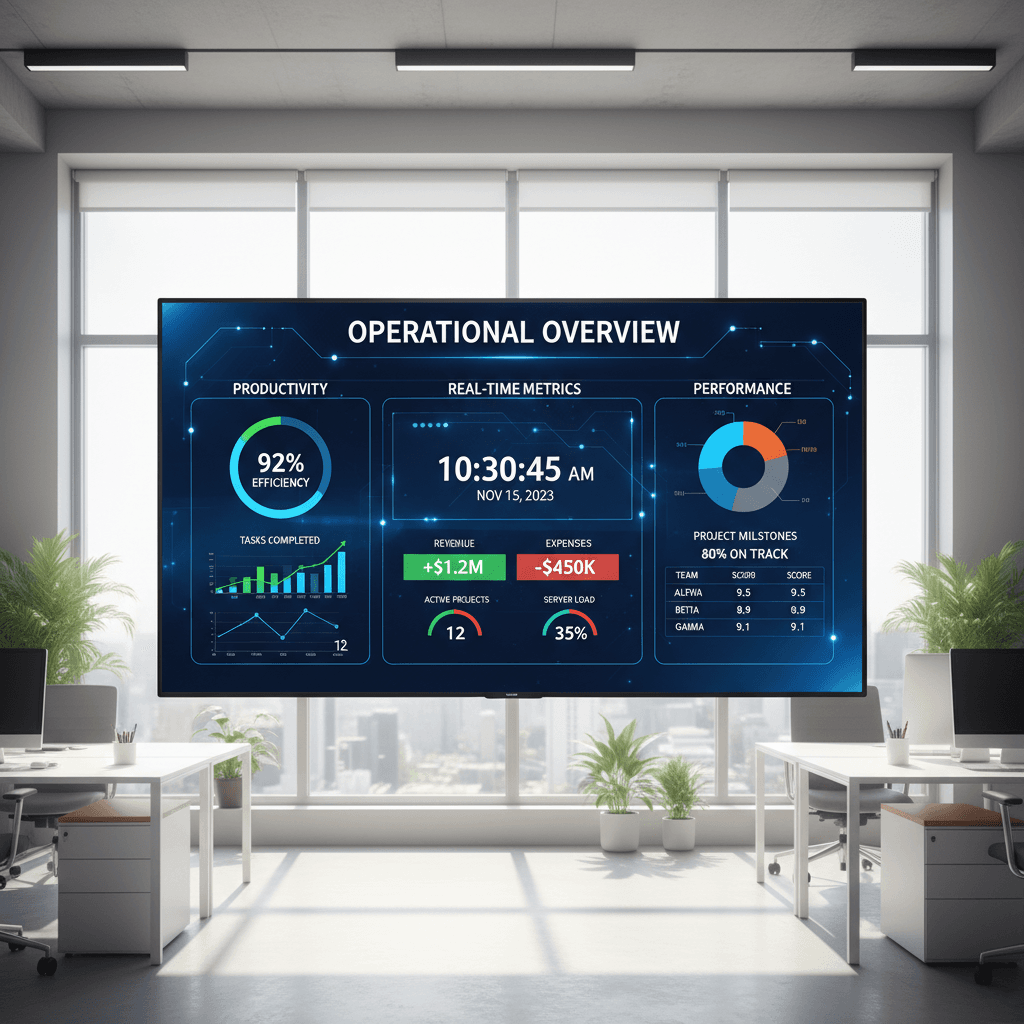
When you streamline operations with AI automation, you turn tax readiness into a background process rather than a seasonal crisis. Our clients use custom dashboards to monitor their effective tax rate and SBD limits daily, allowing for proactive adjustments to spending and capital allocation. To replace manual reporting with data-driven clarity, book a demo to see how data can transform your business.
Commonly Overlooked Tax Write Offs and the 90% Rule
Moving from visibility to execution requires an understanding of the specific thresholds that protect your long term wealth. One of the most critical, yet frequently mismanaged, metrics is the 90% rule. To maintain status as a Small Business Corporation (SBC) and remain eligible for the Lifetime Capital Gains Exemption, at least 90% of the fair market value of your corporation’s assets must be used in active business in Canada at the time of a share sale. If your automated dashboards show an accumulation of passive investments or excess cash that pushes you below this threshold, you risk losing a tax exemption worth over a million dollars in tax-free gains.
Beyond high level asset ratios, many firms fail to capture granular, everyday deductions that serve as immediate cash flow injections. These should not be viewed as mere accounting tips, but as operational data points to be tracked by automating repetitive workflows. Common missed opportunities include:
Category | Description | Strategic Benefit |
|---|---|---|
PHSPs | Private Health Services Plans | Provides tax-free health benefits to owners while remaining a fully deductible business expense. |
Canada Job Grant | Employee Training Subsidy | Offsets a significant portion of training costs for local or qualifying staff upgrades. |
Home Office | Business-use-of-home | Captures pro-rated portions of utilities, insurance, and maintenance costs for GTA entrepreneurs. |
When you streamline operations with AI automation, these expenses move from forgotten receipts to real time deductions. Tracking the Canada Job Grant, for instance, ensures that every dollar spent on upskilling your team is documented to trigger available government funding. This level of detail in small business tax planning ensures no capital is left on the table. To move beyond manual tracking and secure your company's fiscal health, book a demo to see how data can transform your business.